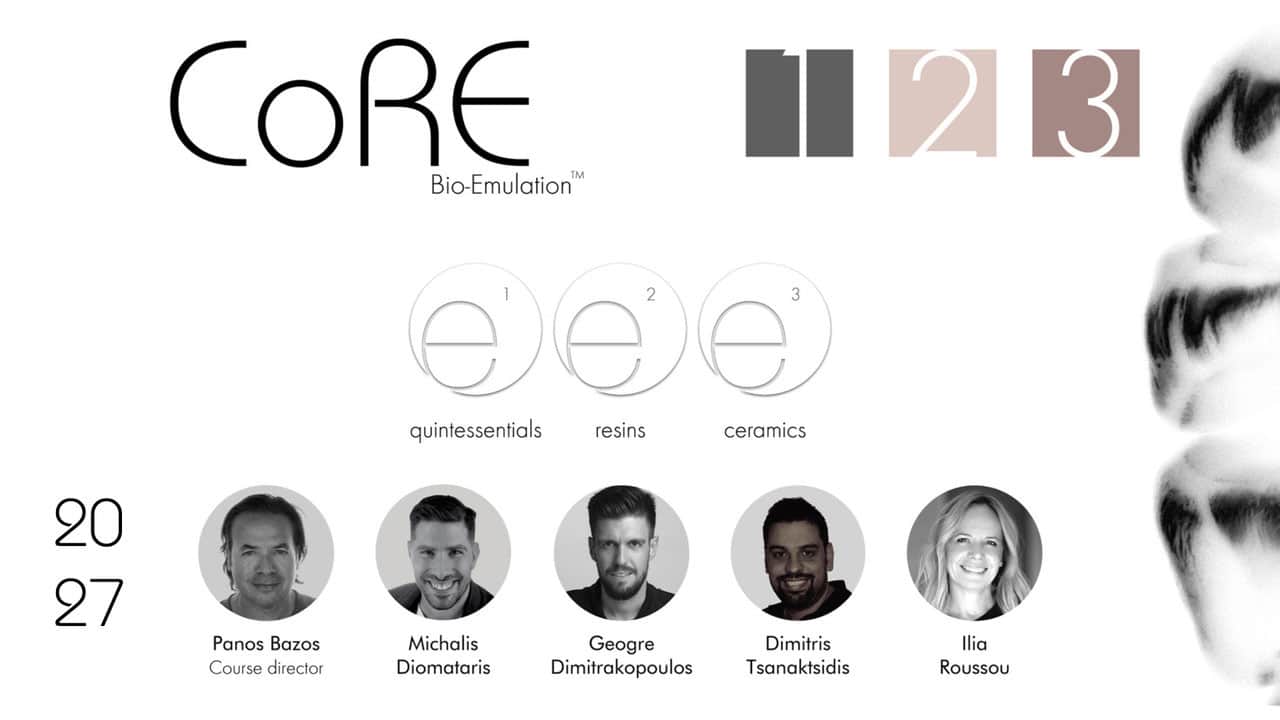
CORE_Bio-Emulation 2027

Module E1: 03-06/03/2027, Module E2: 23-26/06/2027, Module E3: 22-25/09/2027
Course fee: €12.000
Deposit due upon registration €3.000

3.000,00 

The Mission

Our driving force is to perpetuate the oral health of the patient and general population by proactive methods, including prevention and systematic maintenance of the dentition.

However, when we are forced to intervene, when we are meant to be reactive, our philosophy is to want to be able to rival nature, both optically and functionally, through evidence based, commonsensical and proven scientific techniques.

Hence, the Bio-EmulationTM Group aims to focus on adhesive restorative modalities when applicable, with functional and optical integration always in mind, via analogue and/or digital workflows. ObSERVE, preSERVE and at all costs conSERVE the dental tissues, in order to better SERVE the patient.

So you want to be a Bio-Emulator?

Do you like to invest time and effort in developing new skills, staying updated with industry benchmark practices and seeking out opportunities for growth? Do you like to attend workshops, take courses, read scientific publications, or engage in networking events to expand your knowledge and expertise?

This active commitment to lifelong learning helps us stay relevant in our field and enhances our professional growth potential beyond dental school.

CoRE is an exciting new dental educational series designed for the dental practitioner who wants to level up their clinical workflows and outcomes.

Developed by practitioners for practitioners, this innovative educational series provides practical modular education, that is definitive and commonsensical. Upon completion of the educational series, the participant is provided the opportunity to join the Bio-Emulation Group.

The pathway to becoming a Bio-Emulator is an exciting experience, fuelled by passion and commitment to excellence. It empowers individuals to engage in productive habits, embrace continuous learning and seek self-improvement.

Becoming a Bio-Emulator is now available to all. Welcome to the Group!

The Vision

The Bio-EmulationTM Group was founded in 2010 as an ideas think tank of like-minded individuals on social media, sparking dental disruptive innovation in the process, by connecting clinicians and technicians around the world for the purpose of exploring inter-disciplinary collaborations that ultimately directly benefit the health and well-being of the patient.

Rather than existing as separate individuals, we choose to come together as a dynamic hive mind, in order to share common resources, techniques, experience and knowledge, it has also developed as a way of describing how a global community comes together to share similar values in practice; ethos, excellence, emulation.

To be inspired by colleagues is great, yet to inspire colleagues is incredible.

info

Bio-Emulation™ Group

What does mean the term “Bio-Emulation™”? What is the concept/philosophy of Bio-Emulation™? 

Bio-Emulation™ is a compound term, the prefix from the Greek word bios (life) and the suffix from Latin word aemulus (rival), having trademarked it in order to better describe the contemporary philosophy of restorative intervention and adhesive reconstruction of  teeth.  Bio-Emulation™’s driving force is to perpetuate the general oral health of the patient  by proactive methods of prevention and systematic maintenance of the dentition. However,  when we are forced to intervene, when we are meant to be reactive in our approach, our philosophy is to want to be able to rival nature, both optically and functionally through evidence based, commonsensical and proven scientific techniques.

What do we have to understand when emulating nature?

When dealing with restorative procedures, the mastery of spatial coronal  and radicular histo-anatomy is paramount in striving to emulate nature. The other major component is to understand the dynamic maturation of enamel and dentin over time, simultaneously having a solid grasp on the optical and mechanical properties of the chosen restorative bio-material.

What do Bio-Emulation™ members teach at their courses? What do you want your participants 

to learn when they attend your courses? 

Bio-Emulation™ members have different expertise areas and we respect individual and personal characteristics. As a group, the convergence point when teaching is an approach to the fundamental and elemental principles of whatever topic. Some random topics of interest may include digital dental imaging, adhesive technology, composite laminar techniques, details that makes the different when dealing with indirect restorations, magnification – seeing is believing etc. Trying to unlock the mind of the participant, inviting them to think differently, changing their perception and awakening their scientific curiosity. The Bio-Emulation™‘s teaching approach very often bond together personal clinical experience and evidence-based scientific information without losing simplicity and reproducibility.

What would be described as the overall aim of a Bio-Emulation™ Symposium, and how does this course differ from others? 

The overall aim of a Symposium  is to communicate a clear and practical message on many different topics regarding clinical biomimetic dentistry. All of our lectures and workshops have a take-home message that can be applied immediately in daily practice. We are here to help others learn how to work according to the high quality standards in the dental clinical and technical realms, and we are always open for questions and suggestions. We strongly believe that sharing is the only way in which dentistry and science in general can evolve. And that is what we practice; there is no point in keeping the secrets for yourself, other than to feed your ego. We are not afraid to share, we encourage it.

Do you think that Bio-Emulation™ could change the way aesthetic dentistry is performed? 

Obviously, that is our ultimate aim: to help people understand that another way of dentistry is possible, not only for aesthetic cases but also for daily work. Our philosophy is clear: we base our concepts on contemporary scientific observation of nature, not on subjective descriptions. That may possibly clash with traditional concepts established in times when materials were more limited and the application of the biomimetic principle was not feasible. However, we strongly believe in what we do and we are crazy enough to think we can change the world. Time will tell if we have accomplished this.

We would be satisfied if we can establish a new collaborative base upon which future generations of dentists could build a solid scientific foundation and finally achieve their ultimate clinical goals in the service of the patient.

Curriculum

Module E1
03-06/03/2027

Content

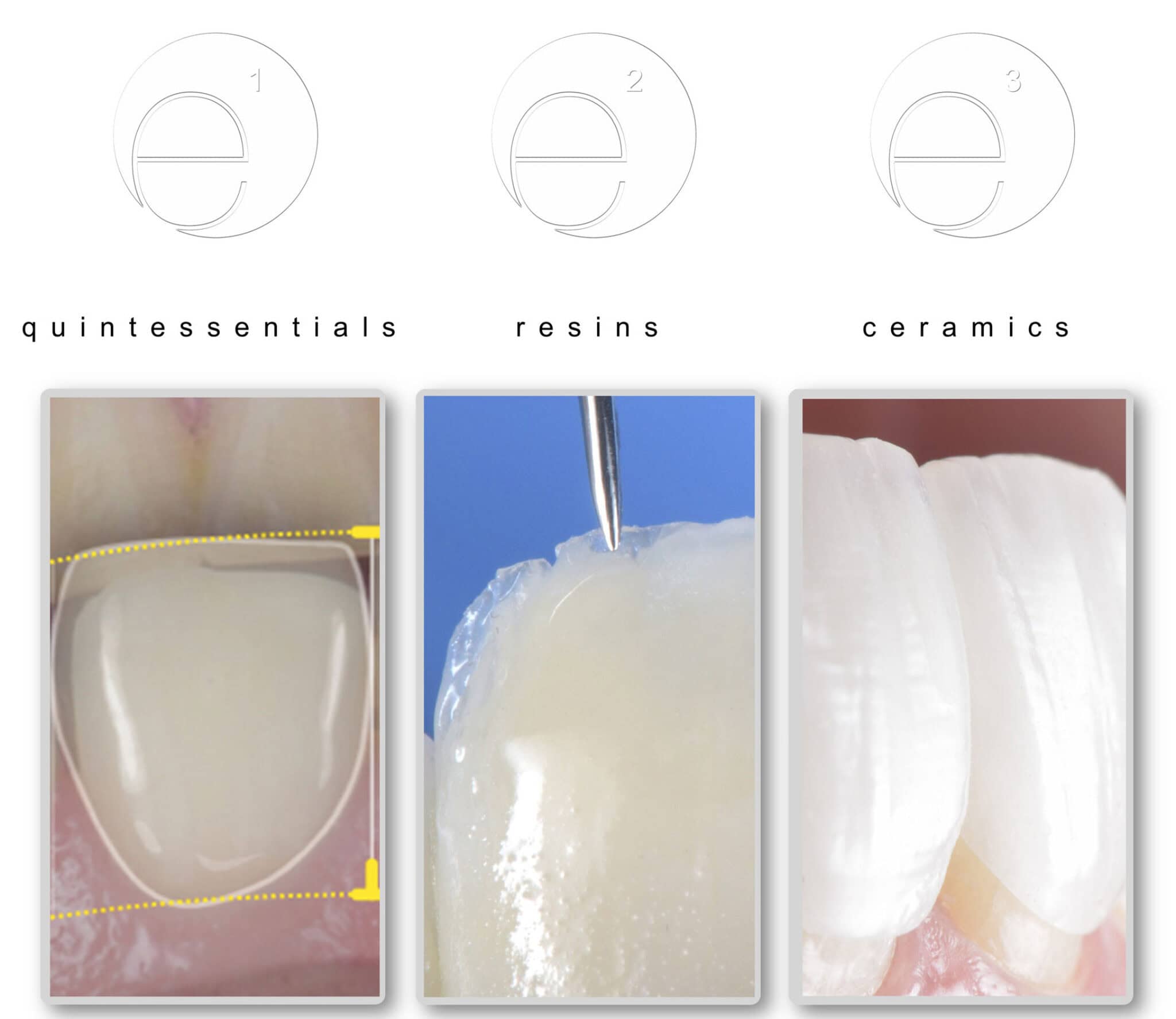
▪ StoryTelling in the Modern Practice
▪ Show and Tell, what Equipment is Needed
▪ Optimising Settings
▪ Necessary Images
▪ Standardizing Images
▪ Facial and Dental Aesthetics
▪ BaseLine OrthoGnathoStatic Orientation
▪ IOS Technology and 3D Printing
▪ Intra-Oral Scanning Techniques
▪ Natural Tooth Forms and Dimensions
▪ Interdental Tooth Relationships
▪ Fundamental Objective/Subjective Criteria
▪ White/Pink Aesthetics
▪ SmileMath
▪ Individual Risk Analysis (Bio-Erosion, Caries, HypoSalivation)
▪ Tooth Colour Ageing Process
▪ Vital and Non-Vital Tooth Bleaching Techniques
▪ eLAB (ΔL)

Hands_on

▪ Extra-oral Facial Photography
▪ Intra-oral Dental Photography
▪ Post Processing Photography
▪ Base-Line Registration
▪ Intra-oral Scanning & Post processing
▪ Smile Cloud Software
▪ Smile Cloud Tx Plan
▪ eLAB photography
▪ custom _eyes fabrication
▪ Bleaching Tray Fabrication

Module E2
23-26/06/2027

Content

▪ Smile Analysis and Visual Synthesis for Anterior Dentition
▪ Natural Examples of Different Ageing Stages in Anterior Teeth
▪ Histo-Anatomic Composite Shade Compatibility via custom_eyesTM
▪ Bio-EmulationTM Laminar Techniques in Anterior Teeth
▪ The Adhesive Equation
▪ Finishing, Contouring and Morphological Detailing – Form and Texture
▪ 360° in Depth Polishing Techniques – Longevity of Gloss and Luster
▪ Smile Analysis and Visual Synthesis for Posterior Dentition
▪ Bio-Material Selection Criteria
▪ Caries End Points and Substrate Optimization
▪ Bio-EmulationTM Laminar Techniques in Posterior Teeth
▪ Contemporary Instrumentation Modalities and Matrix Systems
▪ The Adhesive Equation: Bulk Short Fiber Composites
▪ Finishing & Polishing Techniques in Posterior Teeth

Hands_on

▪ custom _eyes fabrication anterior
▪ isolating the anterior zone MAX
▪ CLASS IV 11
▪ isolating the anterior zone MAX
▪ Diastema closure 11/21 and peg laterals 12/22
▪ custom _eyes fabrication posterior
▪ isolating the posterior zone MAX
CLASS V: 24
▪ isolating the posterior zone MAX
▪ CLASS II: 25(OD), 26 (MOD)

Module E3
22-25/09/2027

Content

▪ Additive Technique and Mock-Up
▪ BPR Indications and Classifications for Anterior teeth
▪ Biological Considerations between Horizontal/Vertical Marginal Design
▪ Material Selection in the Adhesive Realm
▪ Preparation Instrumentation and Design
▪ Substrate Optimization via Immediate Dentin Sealing (IDS)
▪ BPR Bonding Techniques
▪ BPR Indications and Classifications for Posterior teeth
▪ Biological Considerations between Horizontal/Vertical Marginal Design
▪ Cuspal Coverage; By Choice or by Chance?
▪ Parametric preparation
▪ Deep Margin Elevation Technique
▪ Endo/Restorative Post or not to Post? A Modern Conundrum
▪ Anatomical Functional Compass

Hands_on

▪ Mock-Up Transfer and Silicone Preparation Matrices (Guides)
▪ Veneer Preparation: 12/11/21/22
▪ Veneer Cementation: 11
▪ Vertical Crown Preparation: 21
▪ Preparation: 36 Overlay
▪ Cementation: 36 Cementation of Onlay
▪ Vertical Preparation 36 Modification from Chamfer
▪ Fabrication of provisional on 36

Venue

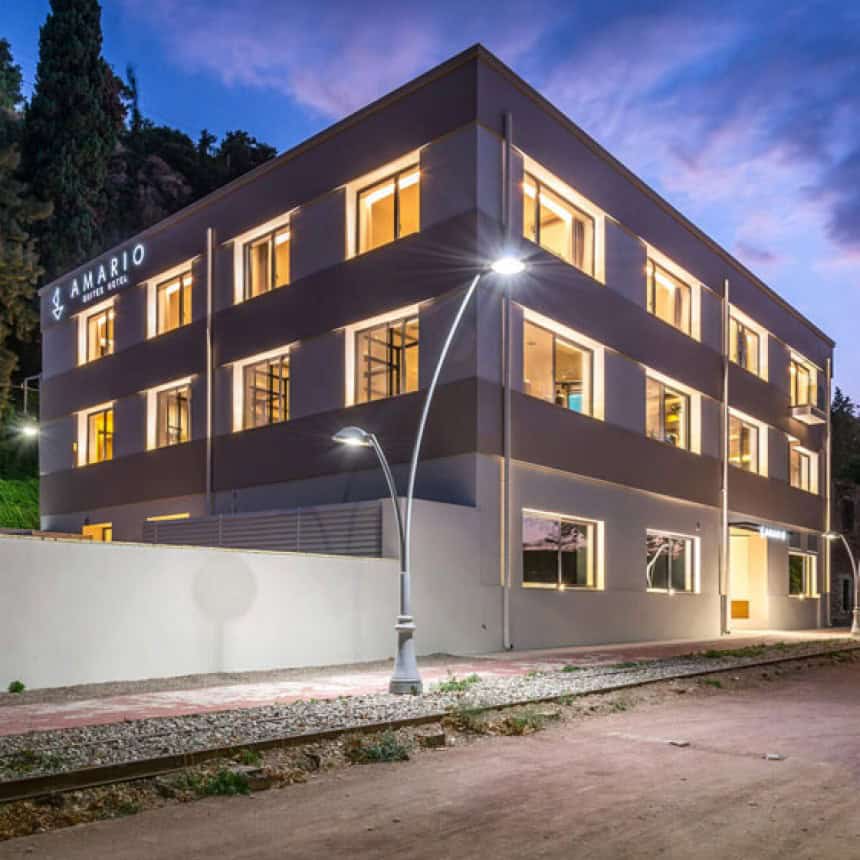
AMARIO suites hotel

Includes

Special Gift with your registration

Α gift worth €380

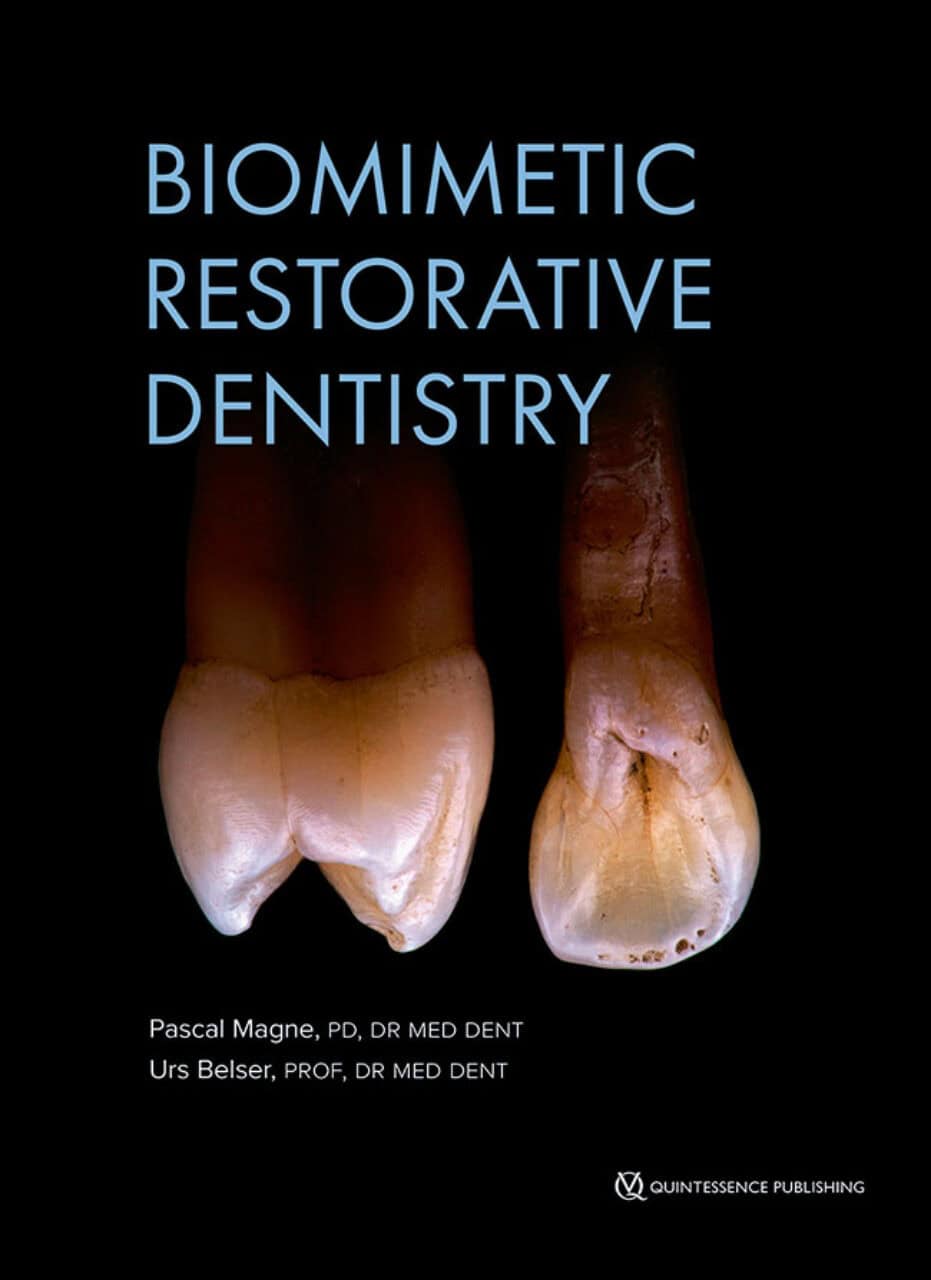
Biomimetic Restorative Dentistry

Pascal Magne / Urs C. Belser

2nd Edition 2022
Book
Hardcover; Two-volumes book with slipcase; 21 x 28 cm, 888 pages, 2500 illus
Language: English

The first edition of this book took the dental world by storm in 2002 and became one of the bestselling Quintessence books of all time, and this edition will no doubt do the same. The book takes the science of esthetic dental reconstruction to a new level, both clinically and academically, and offers all that a clinician could wish for in terms of indications and the classic clinical steps for tooth preparation, laboratory and CAD/CAM procedures, adhesive luting procedures, and maintenance. But above all, what makes this book so unique is the underlying principle by which Pascal Magne lives: respect the natural structure and use that nature as your guide in restoration. The central philosophy of the book is the biomimetic principle—that is, the idea that the intact tooth in its ideal hues and shades, and perhaps more importantly in its intracoronal anatomy and location in the arch, is the guide to reconstruction and the determinant for success. Restoring or mimicking the biomechanical, structural, and esthetic integrity of teeth is paramount. Therefore, the objective of the book is to propose new criteria for esthetic restorative dentistry based on biomimetics. The driving forces of restorative dentistry are maintenance of tooth vitality and maximum conservation of intact hard tissues, and as such the book offers ultraconservative treatment options that can precede a more sophisticated treatment. The core of the book centers on the application of the biomimetic principle in the form of bonded restorations using composite resins and ceramics. The broad spectrum of indications of bonded restorations is described, followed by detailed instruction on the treatment planning and diagnostic approach, which is the first step for every case. The treatment is then described step by step, including tooth preparation and impression, laboratory and CAD/CAM procedures related to the fabrication of composite resin and ceramic workpieces, and their final insertion through adhesive luting procedures. Volume 1 covers the fundamentals and basic procedures, and Volume 2 focuses on advanced clinical techniques, maintenance, and repair of bonded restorations. QR codes throughout link to demonstrations of the techniques and dramatic videos highlighting the artistry of biomimetics. Written by a true master and true artist, this book will undoubtedly inspire excellence in anyone who picks it up.

Contents

Volume 1
Chapter 1. Understanding the Intact Tooth and the Biomimetic Principle
Chapter 2. Natural Oral Design
Chapter 3. Ultraconservative Treatment Options
Chapter 4. Semi-(In)Direct Approaches in Posterior and Anterior Teeth

Volume 2
Chapter 5. Esthetic Treatment Planning and Diagnostic Approach
Chapter 6. Anterior Indirect Bonded Porcelain Restorations
Chapter 7. Maintenance and Advanced Repair Techniques
αΩ. The Whole Story: From La Chaux-de-Fonds to Los Angeles

What is new in this edition?

The existing content has been significantly updated, with over 500 pages of new content added together with almost 100 video clips accessible via QR code. Major additions include detailed aspects of morphology tooth by tooth (including didactic drawing exercises), significant updates in the famous Magne/Belser esthetic checklist, diagnostic approaches and full-mouth cases with enhanced mock-up techniques, immediate dentin sealing and margin elevation, semi-(in)direct techniques in both anterior and posterior teeth (including CAD/CAM approaches), a new classification of anterior bonded porcelain restorations, and of course updated protocols, especially for tooth preparation and provisionalization. Tables and step-by-step procedures are presented throughout the book for all the essential procedures, both clinical and laboratory. A bonus chapter chronicling the life and motivation of Pascal Magne brings it all together.

CORE_Bio-Emulation 2027

CORE_Bio-Emulation 2027

3.000,00 

ADD TO CART
Privacy Overview

This website uses cookies so that we can provide you with the best user experience possible. Cookie information is stored in your browser and performs functions such as recognising you when you return to our website and helping our team to understand which sections of the website you find most interesting and useful.